
Opinion | Why Gaza is Seen and Sudan Isn’t
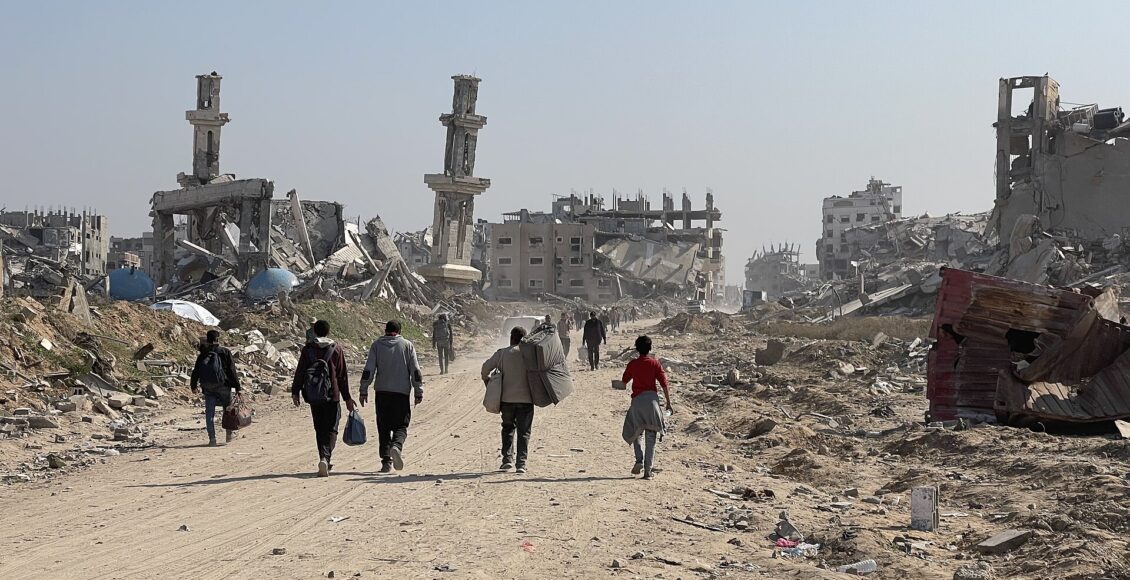
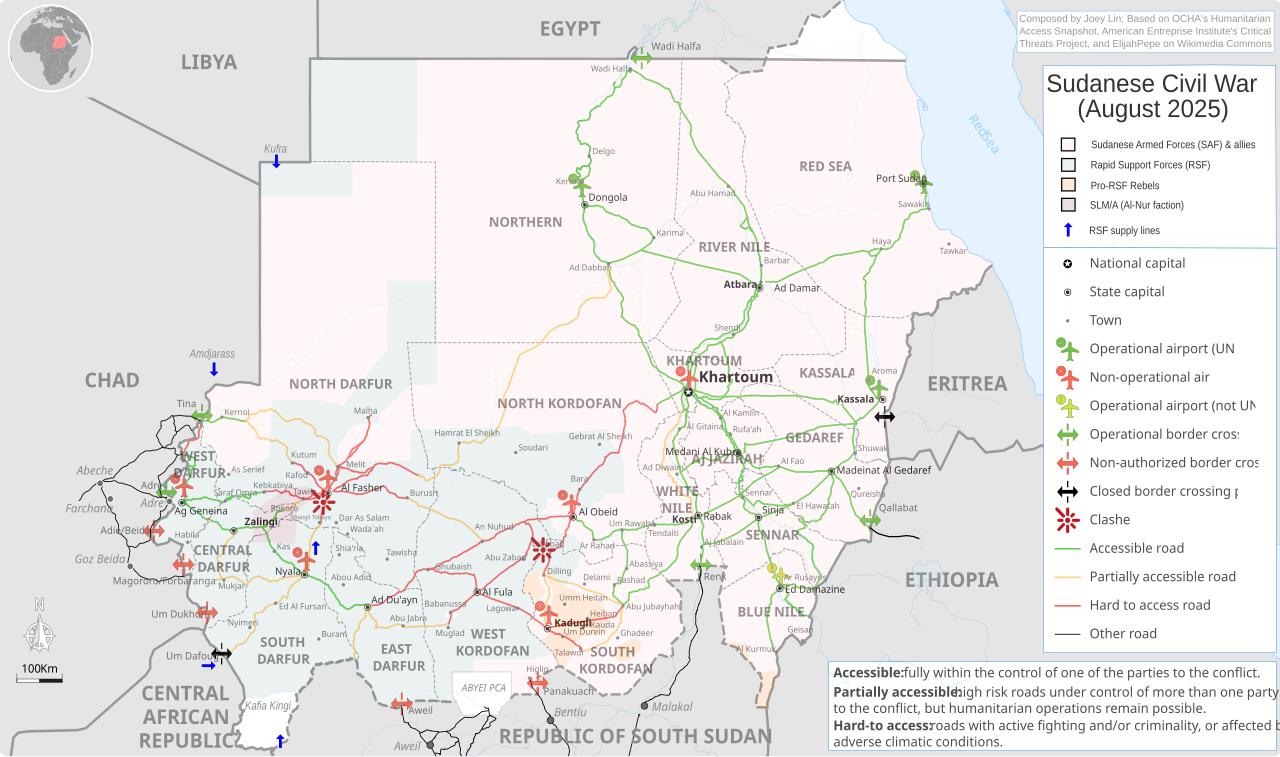
In the past three years since the conflict began, you’ve almost certainly seen footage from the crisis in Gaza: Palestinians swarming aid trucks, a mother spending years searching for the remains of her missing son, a boy being interviewed saying he no longer wants to live because the war has made life in Gaza too unbearable. Now try and recall a single image from Sudan, where a civil war has displaced nearly 13 million people in what the UN calls the world’s largest humanitarian crisis. For most, nothing comes to mind. This isn’t because Sudan’s suffering is smaller, but because how a war is covered, not just its severity, shapes how real it feels to audiences.
At first glance, the two wars present similar barriers for journalists. Since October 2023, Israel has simultaneously barred foreign journalists from entering Gaza independently and waged the deadliest war against journalists ever recorded by The Committee to Protect Journalists, responsible for two-thirds of all press killings in both 2025 and 2024. In Sudan, foreign press access has been restricted, and, according to the Sudanese Journalist Syndicate, about 90 per cent of the country’s media institutions have been damaged or destroyed. Press freedom groups state that journalists in Sudan have faced targeted attacks by both sides of the conflict, resulting in the deaths of at least 30 journalists and forcing hundreds more to flee. In both conflicts, reporting the truth carries extraordinary risks. So, if both wars are this deadly to cover, why does Gaza’s fill our screens and social media feeds while Sudan’s barely registers? The answer lies in what each country had, or lacked, in terms of international attention before the fighting began.
Although this particular war began in 2023, the Palestinian-Israeli conflict is nothing new. From the first Arab-Israeli War in 1948 to the 1993 Oslo Accords to the 11-day war in Gaza in 2021, Israeli-Palestinian tensions have been playing out on international screens for over half a century. So, when the 2023 war began, a network of Palestinian journalists was already working for major international outlets such as Al Jazeera, Reuters, the BBC, the Associated Press, and others. When Israel blocked foreign reporters from entering independently, outlets still had journalists stationed in the region, which streamlined the process of getting the on-the-ground footage in Gaza onto the screens of an international audience.
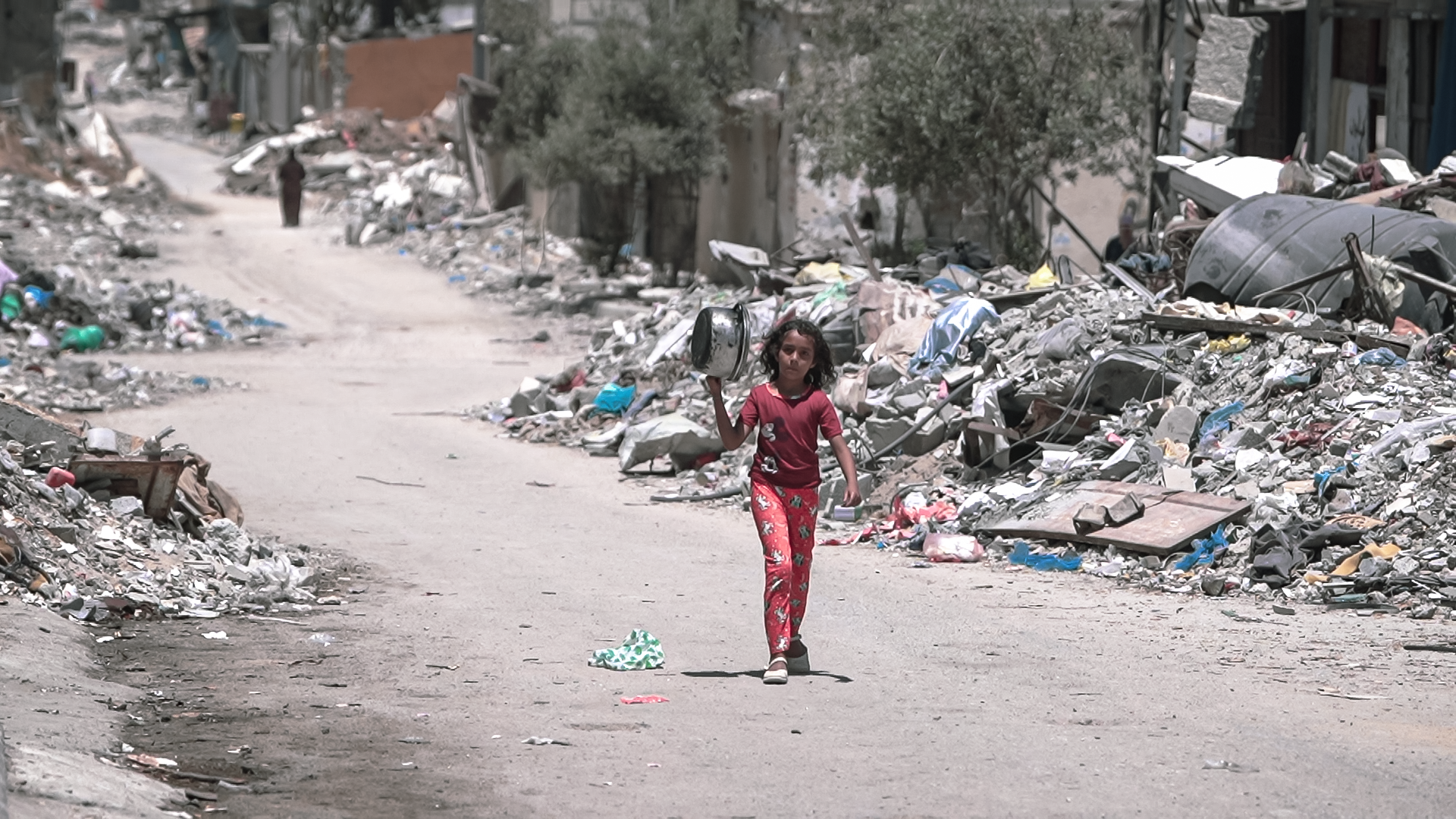
Simultaneously, journalists in Gaza used social media to their advantage, providing them with a direct line to global audiences. Palestinian journalists and content creators posted footage directly to sites like Instagram and TikTok, amassing millions of followers. One photojournalist, Motaz Azaiza, went from about 25,000 Instagram followers before the war to more than 18 million within just a few months. Although getting information out of Gaza was far from straightforward, with censorship and extreme threats creating significant barriers, Gaza’s story had a way to reach the world.
Sudan’s journalists, in contrast, began their war with limited networks and different structural challenges. During his three-decade rule, Omar al-Bashir oversaw heavy press censorship, suspending outlets, arresting journalists, and forcing them to register with a national press council under the president’s direct supervision. This severely limited foreign media, leaving only a handful of correspondents to report for English-language outlets. Unlike Gaza, Sudan never had the chance to build the network of journalists tied to international outlets that Gaza has relied on to publish footage. Sudanese journalists still reporting from the ground face even more obstacles. Because of both sides’ war tactics and extensive damage to the country’s telecommunications infrastructure, much of the country has been cut off from the rest of the world. This has forced journalists to walk miles searching for a signal or rely on costly satellite connections to publish stories. Where Gaza’s journalists were able to find a direct line to the world, Sudan’s are struggling just to be heard.
How a story gets out, however, is only half of the equation. Equally important is how that story reaches its intended audience. When people receive information about Gaza, they aren’t just seeing statistics: they are following specific people, learning their names, families, and their daily struggles to survive. As social media grows as a news source, with 36 per cent of US adults and 57 per cent of US teenagers getting their daily news from social media, many see this conflict through the perspective of individual people with specific stories and faces. In contrast, because of the challenges Sudanese journalists face in publishing information from Sudan, most of the conflict reaches international audiences as statistics. Many will know that nearly 13 million have been displaced, but few will know specific faces and stories behind those numbers.
How these conflicts reach audiences matters more than it might seem. Psychologist Paul Slovic has spent decades studying a phenomenon he calls psychic numbing, or the tendency to feel less emotion as the number of people suffering increases. We rely on emotions to decide what matters and whether or not to act. These emotions respond to vivid, specific information, such as one individual’s face or story, not to large, abstract numbers. Some researchers also suggest that this partial emotional shutdown protects us from becoming overwhelmed. Slovic’s research found that individual stories can break through numbness, making an impossibly huge crisis feel tangible again.
Gaza’s coverage has shared the tragedy of the conflict through the perspective of suffering individuals, providing stories international audiences can understand and relate to. Even if the statistics for the conflict are overwhelming and trigger psychic numbness, interactions with personal accounts can break through this numbness and compel audiences to register the horrors they are experiencing. Sudan’s coverage, by contrast, reaches audiences mostly through overwhelming statistics, which is exactly the form of presentation psychic numbing predicts people will feel least affected by.
The consequences of this difference in perception go beyond feelings; they shape how much attention each conflict receives, which in turn shapes what actions are taken to help these respective nations. The war in Gaza has sparked mass protests, campus movements, and fierce debate in Western parliaments. Sudan has not been entirely ignored; advocates, aid groups, and diplomats have pushed for action, including at an international humanitarian conference in April 2026. However, these efforts have rarely reached the wider public in the way Gaza’s have. Without international attention, a war doesn’t just disappear. Atrocities and human rights violations go unreported, aid appeals go unfunded, and millions die in obscurity. Attention alone doesn’t guarantee help. Gaza, despite its vast global awareness, still faces severe aid restrictions and continuing human rights violations. However, attention is necessary to create the pressure and funding that resolution requires. Without it, a crisis like Sudan’s is left to unfold in the dark.
Edited by Shumyle Eman Shahid
Featured image: Photo by Jaber Jehad Badwan is licensed under CC by-SA 4.0.


