
The Systematic Absorption of Afghanistan’s Aid
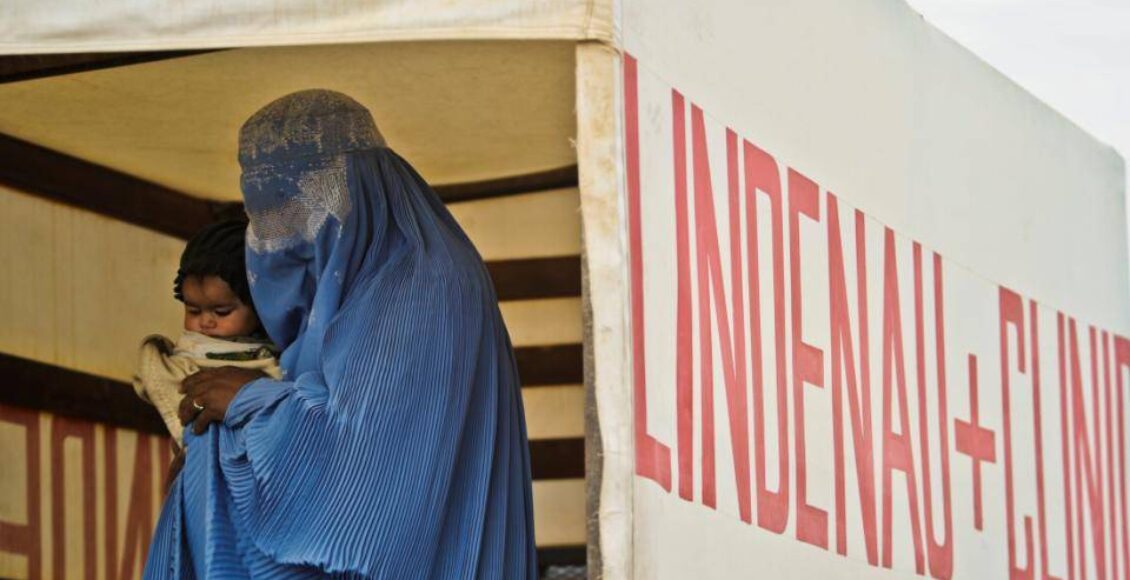
Since the withdrawal of United States troops from Afghanistan in 2021, over $11 billion USD has been donated to the country for humanitarian assistance. However, in the five years after the Taliban’s return to power, human rights conditions in Afghanistan — especially for women — are at an all-time low. The regime has gutted women’s access to education, employment, healthcare, political participation, freedom of dress and movement, and protection from violence. Families are increasingly resorting to selling underage girls into marriage to combat Afghanistan’s devastating hunger crisis. This gap between recorded funding and worsening conditions points to a deeper problem with how aid is delivered under Taliban rule.
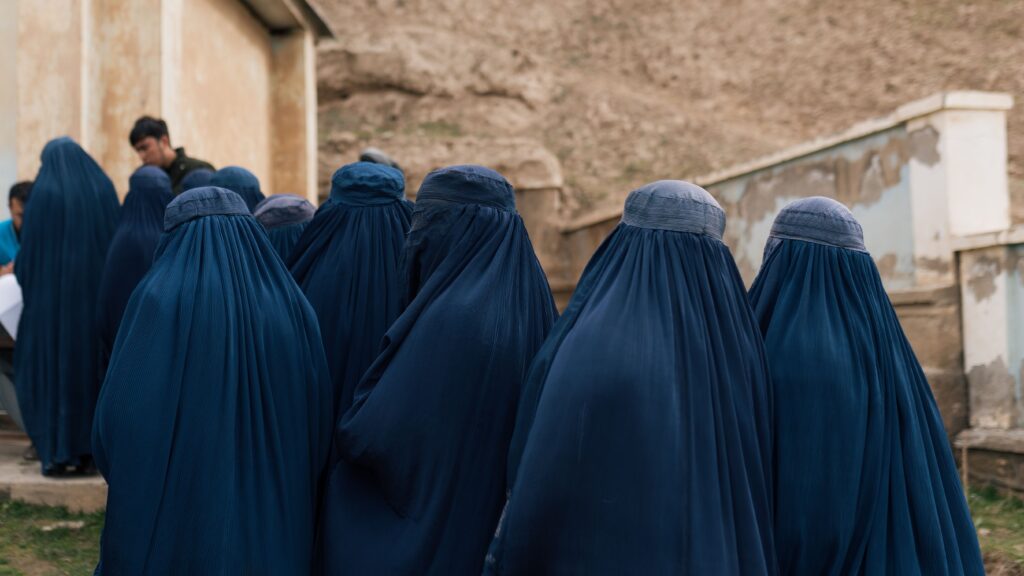
Humanitarian aid to Afghanistan is a necessity, yet it becomes heavily complicated by the political, social, and economic grip of the Taliban regime. Of the billions of dollars contributed by the United Nations (UN) and other international organizations, a significant portion is structurally absorbed by the terrorist entity, jointly assisting the Afghan people and the Taliban.
Humanitarian aid to the country is immediately vulnerable to diversion by the Da Afghanistan Bank (DAB), the central bank through which much of this aid is routed. Due to the lack of money-wiring infrastructure, all foreign financial assistance is converted into the national currency, the Afghan afghani, and delivered to DAB in cash. Shipments can reach up to $40 million USD at a time. However, the bank lacks independence from the Taliban administration and has no systems in place to prevent terrorism financing or money laundering.
Despite these structural vulnerabilities, many key charitable organizations, specifically Switzerland’s Afghan Fund, have chosen to address Afghanistan’s crises by strengthening the central bank. The Afghan Fund claims that this will increase macroeconomic stability, and specifically disregards direct humanitarian aid as an organizational objective. The fund has raised over $660 million USD in reserves for the Taliban-controlled bank. DAB association is further reflected in the Fund’s own leadership, with two of the Fund’s four heads directly involved with the bank. Dr. Anwar ul-Haq Ahady previously served as a governor of the bank, while Dr. Shah Mohammed Mehrabi currently serves on the bank’s Supreme Council. Dr. Mehrabi has also previously advocated increased US engagement with the Taliban regime, as he believes it would lead to improved economic outcomes for Afghanistan.
Funding for the central bank is not the only way the Taliban gains access to aid resources. The regime also finances itself through heavy taxes imposed on charities and NGOs operating in the country, as well as an ‘income tax’ levied on aid beneficiaries. Furthermore, the terrorist entity frequently uses racketeering mechanisms to force NGOs to pay them for security. Through these structural methods, the Taliban is able to pocket large portions of intended humanitarian aid to fund terrorist efforts.
Beyond financial extraction, the Taliban also exerts influence over how aid is administered. The Taliban often uses NGOs to gain power positions and dictate how aid to Afghanistan is structured. Although much humanitarian assistance to Afghanistan is intended for the women and children most vulnerable to inhumane Taliban policies, the regime will frequently redirect aid towards its own soldiers and officials. Additionally, the Taliban often forces NGOs and charity organizations to hire their members and forge contracts with Taliban-affiliated companies. This allows the terrorist entity to further its benefits from aid structures beyond purely financial gains.
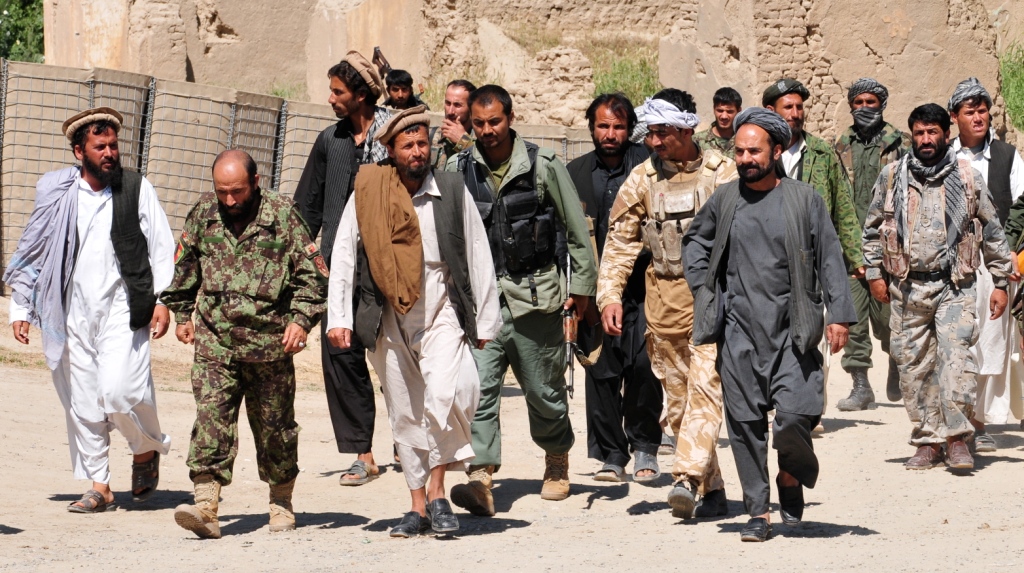
Of the 22 million Afghans requiring aid, only eight million have been reached. The shortfall is not solely a matter of limited resources; the regime’s diversion plausibly accounts for much of this gap. This is a significant detriment to the effectiveness of financial assistance towards Afghanistan’s most vulnerable populations. Although Afghanistan’s banking structures make the exact amount of missing money difficult to trace, the amount taken through NGO taxes alone was estimated at more than $10 million USD as early as May 2023. Every diverted dollar undermines the purpose of humanitarian assistance and strengthens the Taliban’s hold on the state.
Both the United States and the UN have long been aware of these diversions. Congress established the Special Inspector General for Afghanistan Reconstruction (SIGAR) in 2008 to oversee US reconstruction spending, and its reviews repeatedly documented Taliban interference with aid. SIGAR’s 2021 retrospective analysis found that two decades and $145 billion USD in reconstruction assistance yielded limited lasting gains, citing weak oversight, corruption, and insecurity as contributing factors. In April 2025, the US terminated its remaining Afghanistan aid, citing concerns that funding was benefiting the Taliban, and SIGAR ceased operations on January 31, 2026. The official conclusion was that, in part due to the Taliban’s seizure of US funds, the reconstruction and state-building efforts by the US in Afghanistan had failed. The UN, by contrast, continues to deliver aid despite acknowledging that some of it reaches the Taliban, reasoning that this is unavoidable. Because the US still channels some humanitarian funding through the UN, some American taxpayer money may still reach Afghanistan.
The impacts of these shortcomings in foreign assistance in Afghanistan are severe, yet the solution remains ambiguous. While the US has chosen to withdraw aid to avoid funding terrorist activities, this leaves Afghan citizens unsupported, and the economy severely unstable. The UN has weighed that humanitarian assistance must continue; however, it risks its benefits being mitigated through the fueling of the Taliban’s oppressive forces. Humanitarian aid is essential in combating Afghanistan’s economic and human rights crises, but neither of the current approaches successfully navigates the challenges of the Taliban’s leadership and the DAB’s corruption.
This creates an ethical crisis of direct financial aid to Afghanistan. While it is entirely necessary for the well-being of the Afghan people, it cannot continue sustainably in its current form. And yet, there appears to be no successful alternative.
Edited by James Knechtel
Featured image: An Afghan woman and her child arrive at a medical clinic to receive treatment. Photo by Resolute Support Media is available under Creative Commons licensing.

