
Sluggish Justice for Britain’s Executed Witches
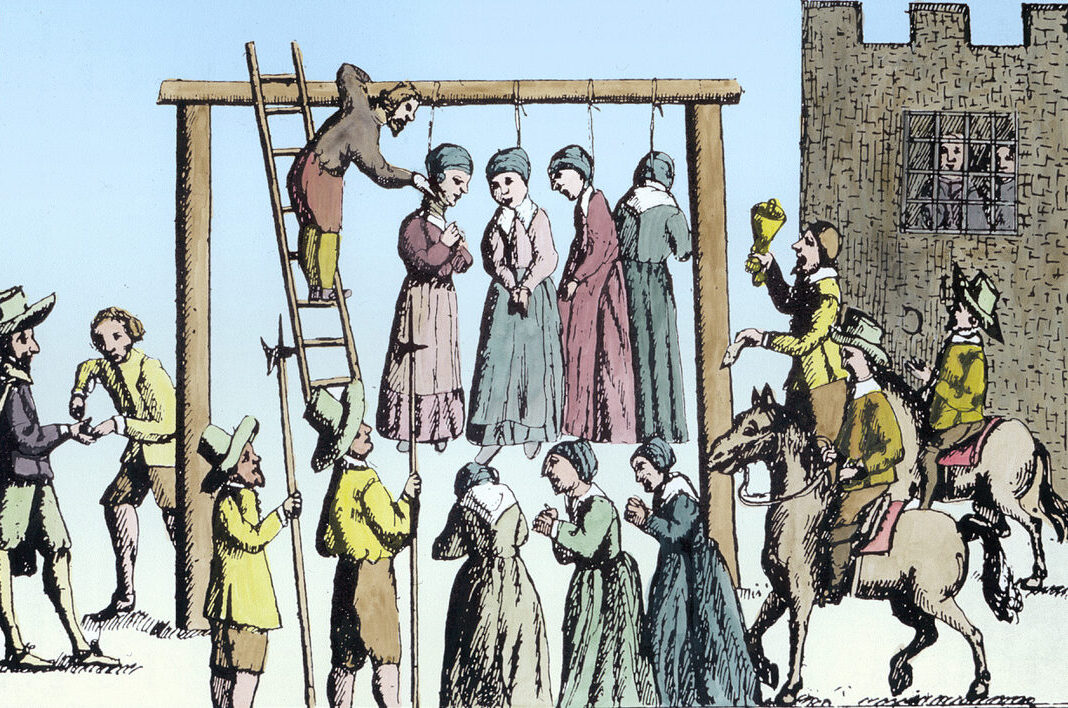
In the United Kingdom, the thousands of people who were executed for witchcraft are still considered guilty of this crime, despite the fact that the offence no longer exists under UK law. From 1542 to 1736, under the Witchcraft Act, ‘magic’ was a crime punishable by death. Accusations often arose to explain misfortunes such as bad harvests, and poor, elderly, or unmarried women were more likely to take the blame.
Since 2020, increased public attention has led to the formation of major campaigns to address this injustice. Witches of Scotland, founded in 2020 by Claire Mitchell and Zoe Venditozzi, has three stated goals: a formal apology from the Scottish government for the wrongful persecutions of those accused, a legal pardon for all those convicted, and a national memorial to commemorate the victims executed for what is now recognized as an impossible crime. Similarly, Justice for Witches—founded in 2023 by Charlotte Meredith—advocates for a posthumous pardon for those convicted under British witchcraft legislation.
Both campaigns rely on similar political methods, including petitioning the UK government, launching surveys to gather public opinion, and lobbying elected representatives to pass legislation for a pardon. So far, the only major success has been achieved by the Witches of Scotland.
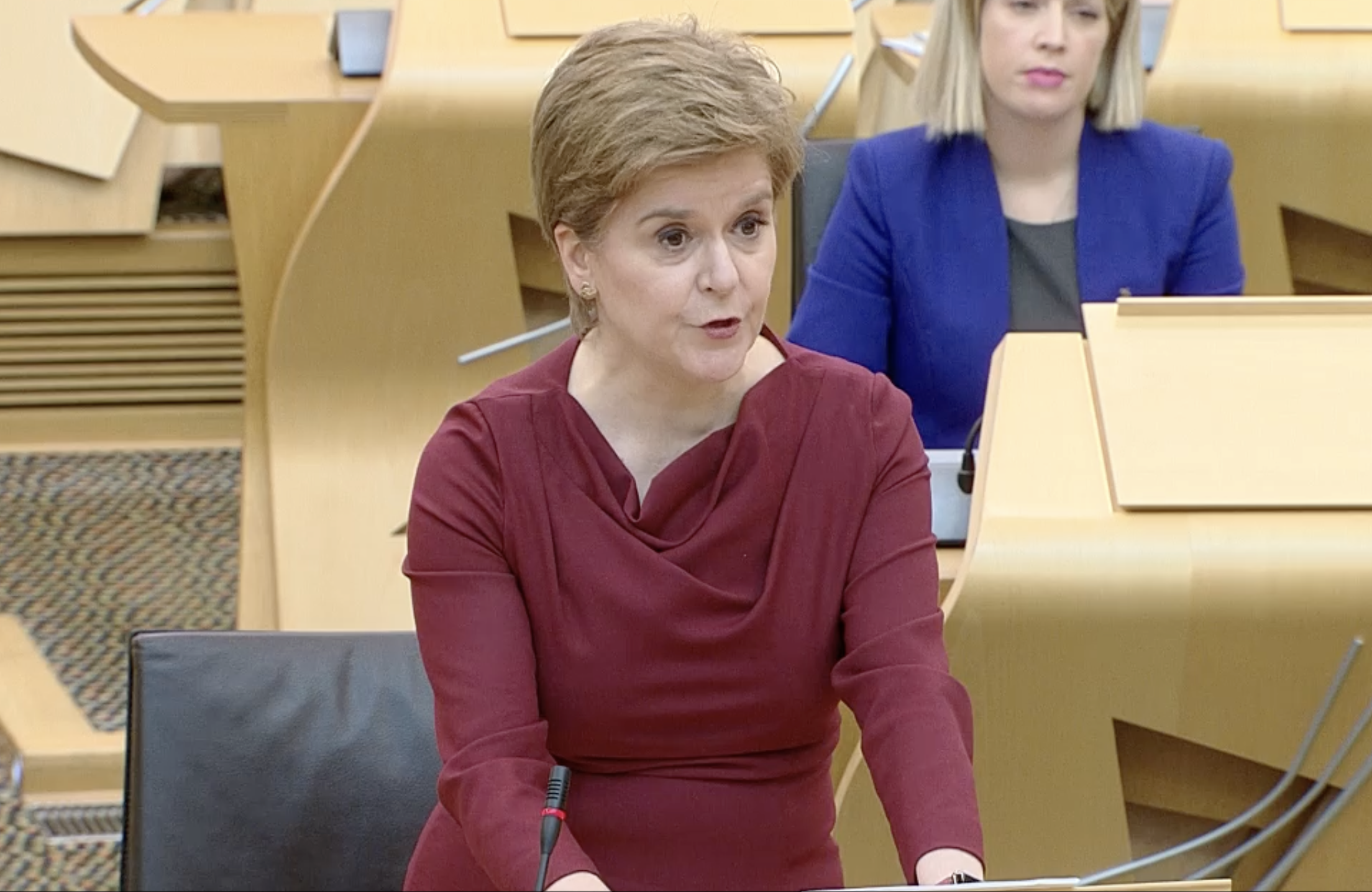
In 2022, the campaign contacted former Prime Minister Nicola Sturgeon, who issued a formal apology on behalf of the Scottish government. The apology recognized the injustice of the past prosecutions, stating that “at a time when women were not even allowed to speak as a witness in a courtroom, they were accused and killed because they were poor, different, vulnerable or in many cases just because they were women.” While an encouraging step in the right direction, this verbal recognition was of no legal bearing. The English government, conversely, has yet to formally apologize for any historical wrongdoings.
The main obstacle to a judicial pardon is not convincing the UK Parliament to support a proposed bill to exonerate those convicted; it is finding MPs or ministers with the time and willingness to draft such a bill and put it forward. Consider Scotland in 2022, when a legislative proposal for a pardon received favourable opinions from 82 per cent of public consultation respondents. The proposal ultimately fell through due to a technicality, as the MP introducing it was promoted to minister and no longer had the ability to put forward a private member’s bill. The Scottish government later issued a statement that it had no plans to introduce new legislation to obtain a pardon. While this response does not object to overturning the convictions, it nonetheless indicates that the lack of progress stems from the government’s failure to take responsibility for initiating the process.
The English government also displays a reticence to take action despite public support. In 2024, a petition put forward by the Justice for Witches campaign to legally pardon those convicted in Great Britain for offences of witchcraft received over 13,000 signatures. Although this figure may seem relatively small, it is decidedly significant when considering the usual levels of public participation in petition signing. As reported by EPJ Science, only 35 per cent of the population has ever signed a petition, and only one per cent of those ever receive the 10,000-plus signatures required for a government response. Nonetheless, the English government responded similarly to the Scottish government; they verbally acknowledged the historic injustice, yet expressed no plans to introduce legislation to secure a legal pardon. The failure to achieve a pardon is, once again, not the result of ideological opposition from either the Scottish or English governments, but rather of a lack of initiative and willingness to introduce the necessary legislation.
Is the UK government’s passivity justified? The fact that these persecutions occurred under a different legal system does not diminish the current Parliament’s responsibility, as it remains the sole body capable of bringing posthumous justice to those who were wrongfully executed. In 2025, the Maidstone Borough Council—a district where witch trials formerly took place—called on the government to pardon those convicted of witchcraft, deciding at a cabinet meeting that its leader should write to the Home Secretary with a request for legislation. This example best illustrates a fundamental limitation: although councils such as the Maidstone Borough’s can advocate for redress, they lack the authority to overturn local convictions on their own. As the power to provide legal redress rests with the state, so rests the responsibility for pursuing that redress.
If pardons were obtained in the UK, this would build upon a precedent set by other jurisdictions. Nearly five years ago, the Catalonia region of Spain pardoned women previously executed for witchcraft. Likewise, the Connecticut Senate exonerated all those convicted in trials held in the state as recently as three years ago. Neither Scotland nor England has local councils with the power to make such decisions on their own: only the countries’ respective parliaments can do so. Among the minority of respondents who did not support the aforementioned 2022 Scottish legislation in the public consultation, many expressed that they considered it a “waste of parliamentary time.” This dismissal, however, fails to consider the lack of alternative avenues for pursuing a legal pardon. If the majority of public respondents support a measure, and have no other means to achieve it than through the central government, the government has an obligation to act in accordance with public demand.
The historical distance of these persecutions does not make it any less necessary to take action to posthumously bring justice to the victims. As the UN brought attention to in a 2023 resolution, witch trials are still occurring today. Accusations lead to ritual attacks, mutilation and killing in certain parts of the world, making it a major human rights issue. While the UK’s modern judicial system no longer recognizes witchcraft as a crime, the thousands of people still legally considered guilty may serve to legitimize a practice, if only due to the inattention afforded to the matter. This concern was expressed in the ‘Justice For Witches’ petition, which stated that “[Britain’s] silence and failure to pardon [Britain’s] own wrongs sends the wrong message that the British people condone the witch executions in Africa, Papua New Guinea and India.”
At home, however, the misogyny underlying the persecutions remains relevant to contemporary English society. In considering the proposed legislation, the Scottish Parliament acknowledged that women were predominantly victims of witch trials, and that a pardon could therefore demonstrate opposition to modern misogyny. A 2014 UN Report on the importance of memorialization stressed that states addressing past injustices and doing what they can to symbolically remedy them promotes engagement with “contemporary challenges of exclusion and violence.” The UK government’s failure to overturn these convictions therefore raises an important question: if the state affords little consideration to these harmful historical persecutions faced by so many women, what assurance is there that modern gendered injustices will be treated with any legitimacy in the future?
A pardon would not, in itself, eliminate present-day gendered discrimination in the UK, nor would it put an end to the current witch hunts happening elsewhere. Nevertheless, as misogyny remains a global human rights issue, the government must consider that its inaction conveys a message of apathy both domestically and internationally.
Edited by Chloe Nairne
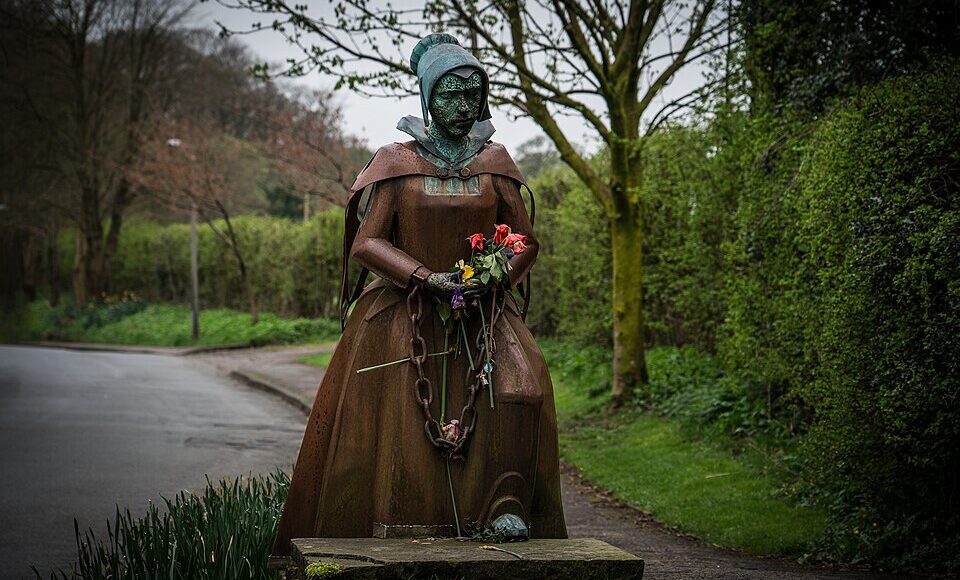
Featured Image: Locally commissioned statue of Alice Nutter, executed for witchcraft in 1612. Photo by Brian Deegan is licensed under CC BY-SA 2.0.


