
The EU Draws a Line on Antimicrobial Resistance
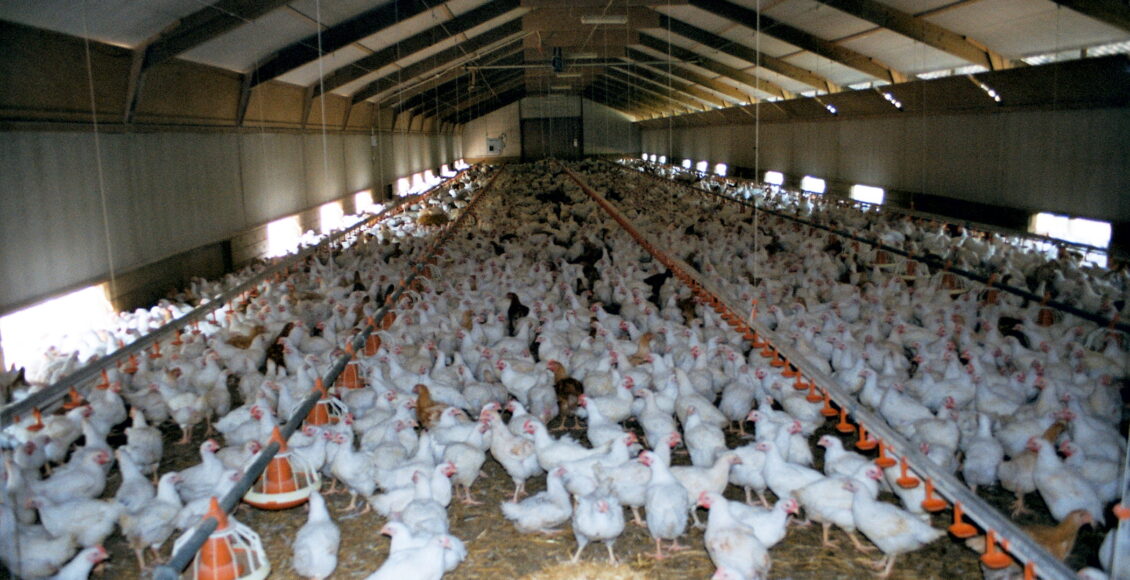
On September 3, 2026, the EU restricted imports of Brazilian beef and poultry, citing Brazil’s failure to comply with EU restrictions on antimicrobial use in animals. This comes as the World Health Organization (WHO) declares antimicrobial resistance (AMR) a top ten global public health threat. Given that Brazil exported 42,728 metric tons of frozen chicken breast meat to the EU in the first four months of 2026 alone– up 42 per cent year over year– these restrictions mark a significant change to current trade practices.
AMR is sometimes referred to as the silent pandemic due to its high death toll but limited media attention. Antimicrobial resistance occurs when microorganisms no longer respond to antimicrobials, rendering antimicrobials ineffective. As a result, diseases can develop that current medications cannot treat. This happens because the overprescription of antibiotics to animals enables bacteria to develop resistance to antimicrobial treatments. Animals can also pass resistant bacteria off to farmers, veterinarians, pet owners, and rural communities, which then leads to a larger spread of disease.
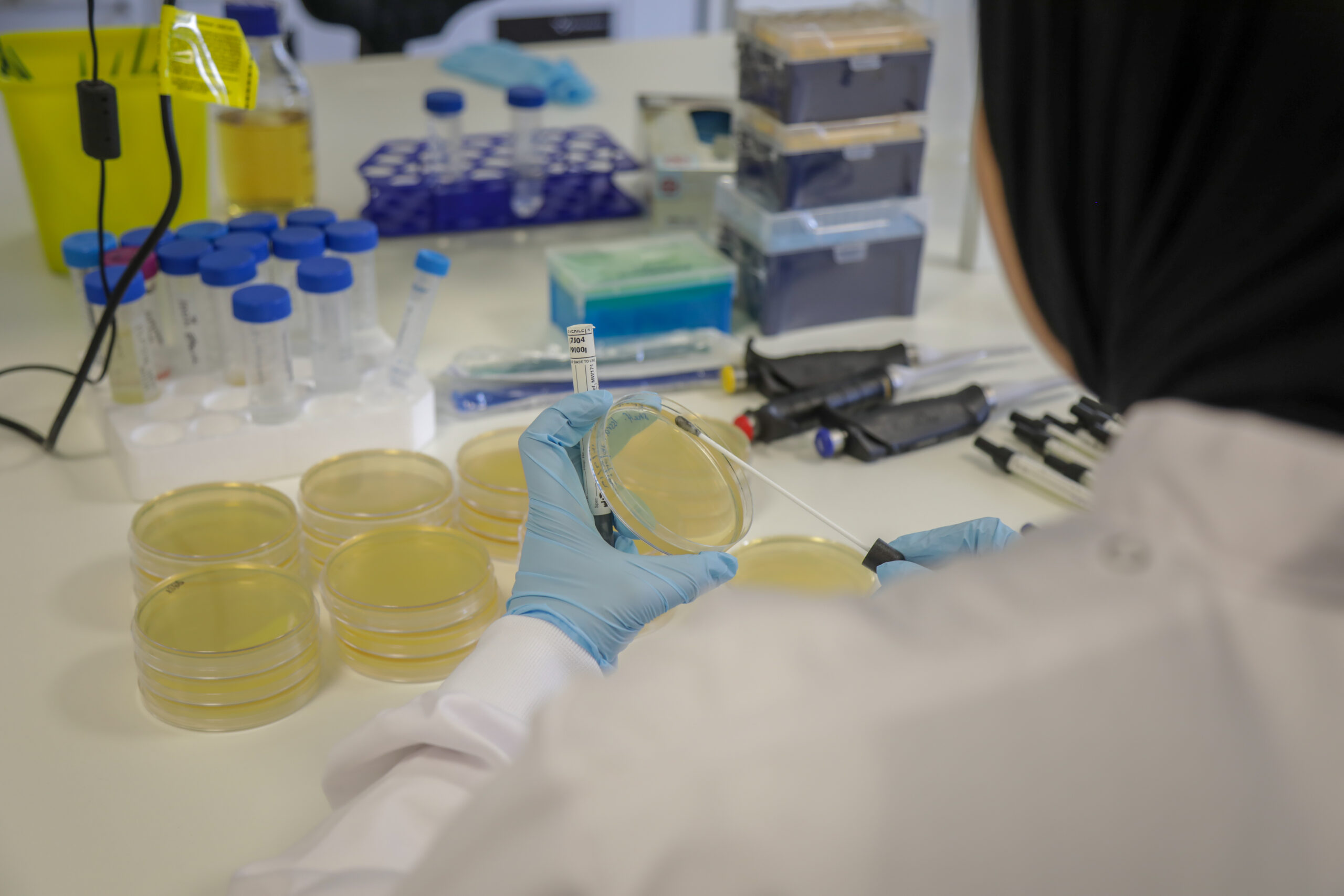
The practice of overprescribing antimicrobials to chickens, cows, and other forms of livestock stems from how cheap and simple it is. In larger, more crowded farms, overprescribing antimicrobials is an increasingly common practice as producers shift towards quantity rather than quality of outputs. Animals are also kept in tighter, less sanitary conditions, which enable disease to spread more quickly. Routine antimicrobial use becomes an appealing way to manage that risk without changing the underlying farming practices. Antimicrobials, and antibiotics in particular, also serve a second purpose beyond disease prevention: subtherapeutic doses. These doses are smaller than those needed to treat the disease and instead promote weight gain, allowing farmers to raise more marketable animals faster. This dual incentive, disease control and weight gain, makes overprescribing attractive to producers by allowing them to maintain and grow large-scale farms.
The EU’s restriction stems from Implementing Regulation 2026/1189, which amends the rules on the use of certain antimicrobial substances in animal production and is tied to Delegated Regulation (EU) 2023/905. Notably, this is an implementing act, not a new policy, to operationalize the current regulations. The regulation adds a new Annex (XVIa) to Regulation 2021/405, which lists, country by country and commodity by commodity (bovine, equine, poultry, etc.), whether each country has complied with the regulation. Only countries that are marked with an “X” for a given commodity will be able to export to the EU. However, Brazil has not received an “X” for bovine, equine, poultry, aquaculture, honey, and casings because the EU lacks information guaranteeing that Brazil has implemented the required AMR measures. These strict measures include a prohibition on using antimicrobials for growth promotion or to artificially increase production yield, and a prohibition on using certain antimicrobials reserved in the EU for the treatment of human infections. Brazil has not implemented policies that comply with the EU’s standards because of a lack of prioritization, leading to poor enforcement and limited access to testing and treatment outside antimicrobials.
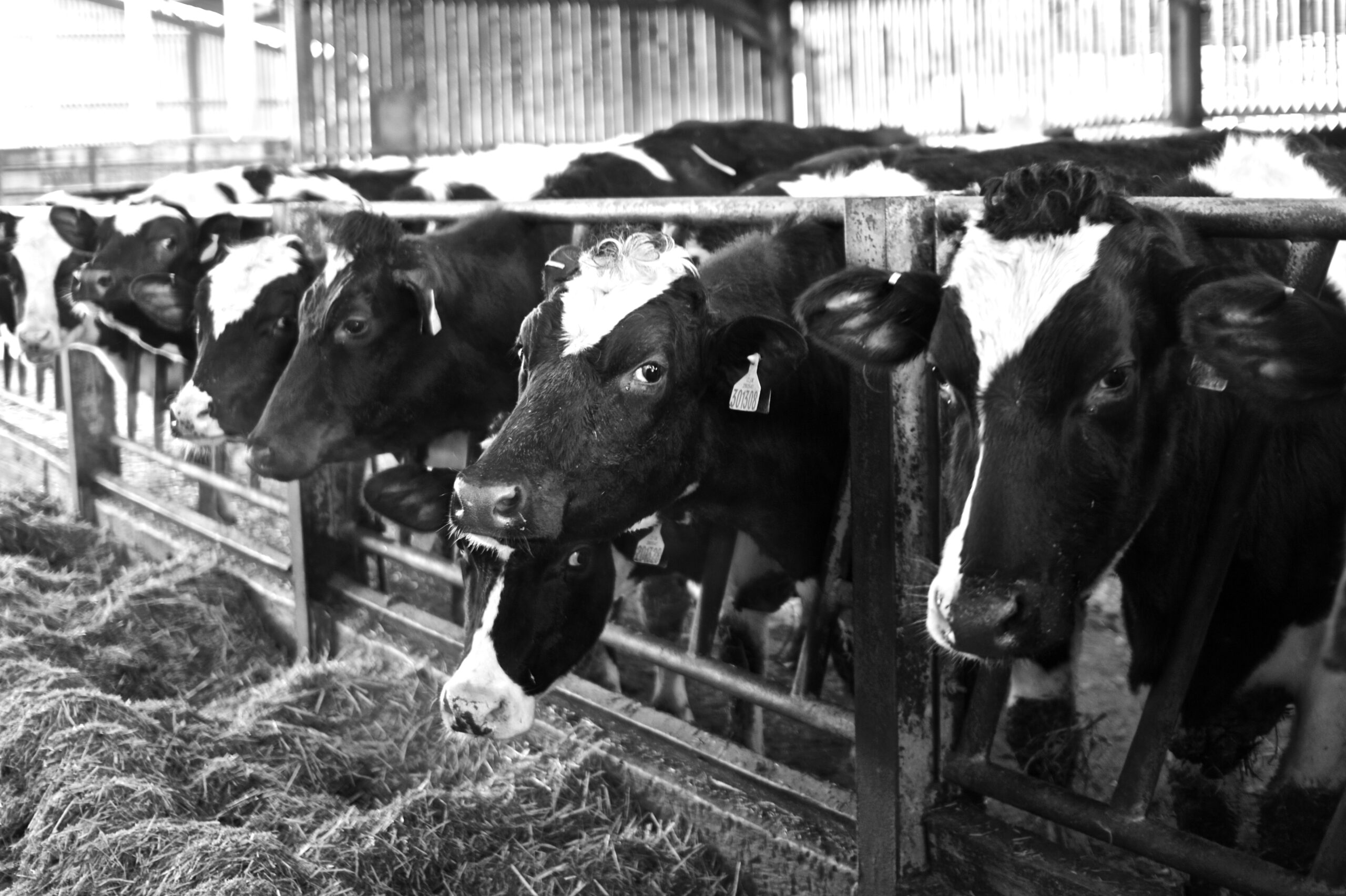
When asked about the EU AMR measures, the Brazilian Association of Meat Exporting Industries (ABIEC), representing beef producers, declined to comment, as did the Brazilian Association of Animal Protein (ABPA), representing poultry and pork producers. One Brazilian exporter stated that restrictions on EU exports would impact his ability to profitably produce boneless and slated chicken breast, and therefore, he would stop exports of those products. For beef, the effects would be even more severe due to the length of the supply chain. If beef production were significantly limited by this regulation, it would not be able to resume for two to three years.
On the global stage, the World Organization for Animal Health’s (WOAH) 183 members adopted the updated Global Action Plan on AMR for 2026–2036 at their General Session on May 21, with the WHO adopting the same updated plan days later at the World Health Assembly. The Global Action Plan places an emphasis on prevention-first tools: infection control, water, sanitation, hygiene, vaccination, biosecurity, and stronger surveillance systems.
This lack of binding measures is typical of AMR regulation, which has largely been framed as a public health and surveillance problem rather than a market-access one. So, rather than being treated with barriers such as tariffs, quotas, or complete restrictions, there is an overarching policy that does not contain direct measures to address the issue. In the case of Brazil and the EU, policy is more actionable because it is a clear restriction which aims to end cross-border contamination. The EU restrictions thus raise the question of whether the consumption of AMR products will only be reduced while this trade regulation persists, or if it will lead to a structural change in global trade and AMR usage. Moreover, given that this is a global issue, if Brazil begins to export to other countries to compensate for the losses in EU trade, there is a chance that the regulation will ultimately merely divert the risks associated with AMR to other countries.
This September, the world will watch the WOAH and EU’s AMR governance models unfold in parallel. This is a critical period for policy as the silent pandemic grows deadlier. These regulations will provide insight into which methods can effectively address the current AMR epidemic and reduce cross-border spread of AMR diseases. If effective regulations are not in place, routine infections will become difficult or impossible to treat, and procedures that depend on antimicrobials will become riskier.
Edited by Eliot Mudry Danisch
Featured Image: Photo by Compassion in World Farming is licensed under CC BY-NC-SA 2.0.
