
The Unequal Returns of Resilience
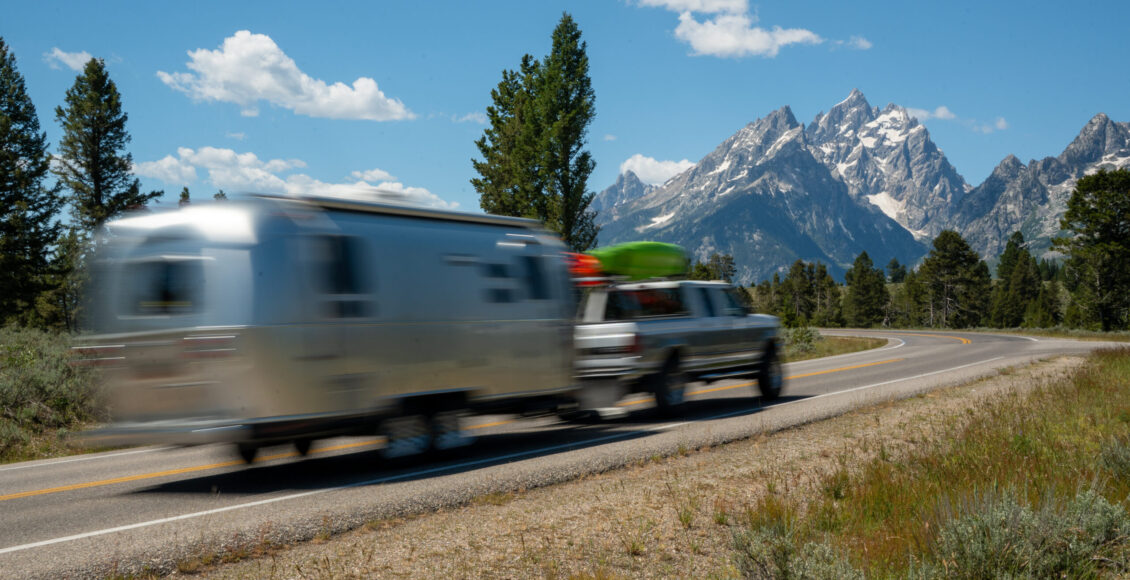
On the morning of June 8, 2024, a stretch of highway slid off the side of Teton Pass, the main link between Jackson, Wyoming and Idaho towns across the mountains. Within days, a 45-minute bus commute from Driggs, Idaho, had become a two-hour detour. The closure made plain what locals already knew: the town cannot run without the thousands of people who cannot afford to live in it.
Jackson’s housing crisis is usually told as a story about wealth and second homes — and it is one — but it is also about snow. Researchers estimate that, by the end of the century, 13 per cent of ski resorts will completely lose natural annual snow cover, and about one fifth will experience a reduction of more than 50 per cent. As the snow line climbs, towns with reliable winters draw more skiers, buyers and investors, while lower towns watch their seasons and economies shrink.
Mountain towns are among the first places where climate change is visibly sorting communities into ones people crowd into and ones they leave, and they offer an early verdict on how resilience policy handles that sorting. The gains of being climate-safe accrue to those who already own property, the policies meant to correct can backfire on the residents they are meant to protect, and the risks follow the people who are priced out. Resilience policies that overlook these dynamics will end up protecting places while failing the people who make them work.
If any town were positioned to manage the housing pressures of being a climate winner, it would be Jackson. Since the mid-1990s, Teton County has required new development to provide workforce housing in proportion to the jobs they create, or to pay a fee that funds it. Paired with deed restrictions, the program has been effective. In 2024, 57 per cent of Jackson Hole workers resided in town — yet when the county added 334 jobs that same year, its population only grew by 40.
Since 2010, jobs in Teton County, Wyoming, have grown four times faster than its population, while home prices rose 77 per cent — a gap increasingly filled by workers who commute in over Teton Pass.
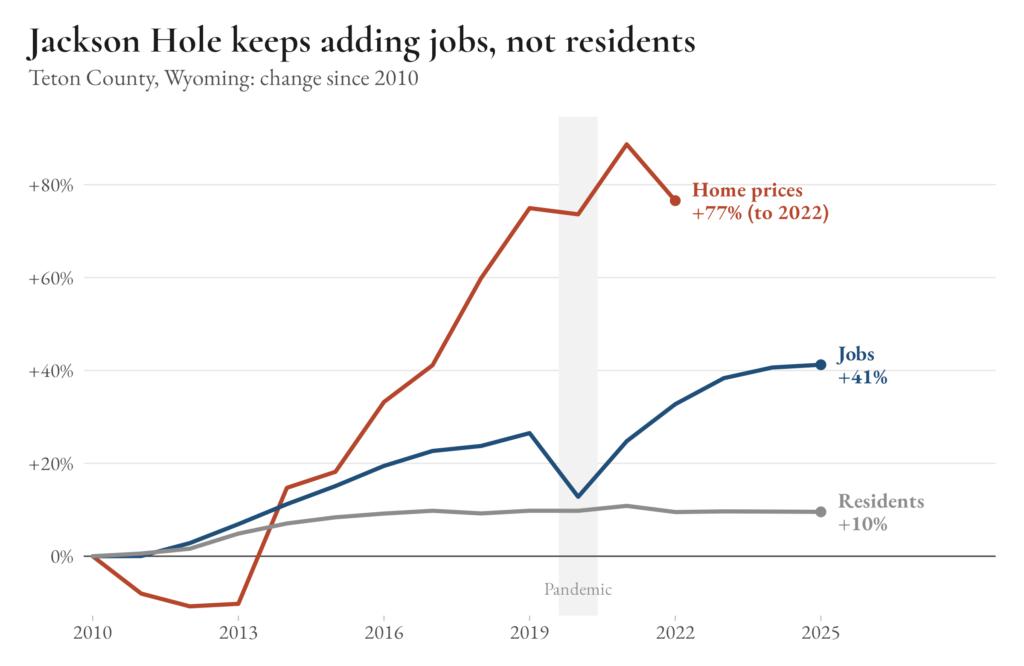
Since 2010, jobs in the region have grown more than twice as fast as housing, and in 2021 a worker earning the county’s average wage needed to earn roughly eight times more to afford the median home. As lower elevation resorts lose their winters, snow becomes a more valuable asset to Jackson, but that value migrates to land prices faster than any housing program can respond.
The deeper problem is that Jackson doesn’t fully control its own tools. Wyoming’s legislature has repeatedly declined to let the county levy a real estate transfer tax, and two residents sued the county over its housing fees. Under that pressure, Teton County recently exempted homes smaller than 3,000 square feet (278 square metres) from its fees. Communities that benefit from climate change tend to be small, while the authority to redistribute those gains rests with state governments that answer to a much wider electorate.
While redistribution requires broader jurisdiction, Switzerland shows how overzealous initiatives can harm those they intend to protect. In 2012, 50.6 per cent of Swiss voters approved a national constitutional cap limiting second homes to 20 per cent of housing in each municipality. The initiative targeted wealthy outsiders and chalets that sit empty most of the year, but its costs fell elsewhere. A study found that the ban slowed price growth for primary homes and increased unemployment, because the construction and service work that new chalets had supported dried up. Between 2013 and 2018, second home land consumption decreased by one-third nationwide. Second homes, now scarcer, are growing in value, enabling pre-existing owners to come out ahead once more.
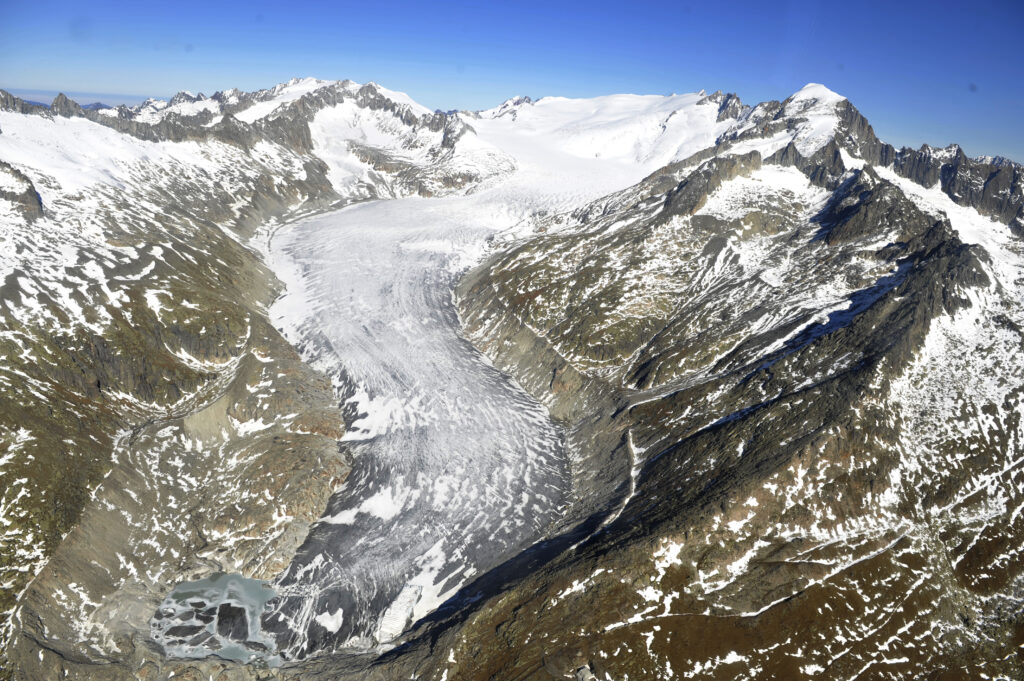
The law was written for resorts with too much demand, but warming winters are leaving many with too little. By 2023, 65 Swiss lift systems had closed, most due to a lack of snow. The village of Braunwald voted to shut down its lift operations for the 2026/27 season, attributing losses to poor snow. conditions. For places like these, a cap on second homes can close off one of the few remaining viable investment options. Adaptation policy is better judged by where its costs land than by whom it is aimed at.
When Teton Pass reopened on June 28, 2024, it was by way of a new road with a tighter turn, steeper grade, and speed limit of 20 miles per hour (32 km/h). Commuters were thrilled. A slow crawl past the edge of a landslide beat two hours each way through the Snake River Canyon. That relief said a great deal about what the valley’s workers had learned to accept as normal.
The people who can afford to live in Jackson are largely spared these risks. Those who were priced out absorb them instead, in avalanche closures, washed-out roads, and commuting costs estimated at about $525 USD per month. In this sense, the price of a home in a desirable place is partly paid by people who can’t afford one. In 2022, Teton County, Wyoming generated over a third of the state’s travel and tourism tax revenue, while 43 per cent of its workforce lives in another state that collects none of it, beyond the reach of Jackson’s housing fees.
None of this is unique to snow. That same story is evident in Miami-Dade County — where homes on higher ground have gained value faster than those near sea level — and anywhere climate change makes one neighbourhood or valley more liveable than the next. What mountain towns offer, then, are lessons for climate resilience policy as a whole.
Resilience creates winners, and their gains are quickly absorbed into land. Protecting places therefore has to go hand in hand with tools that capture some of that value and return it as housing. Jackson shows that local governments under pressure need the freedom to use those tools, and that higher levels of government, unable to solve the problem themselves, should at least stop standing in the way. Switzerland shows why such tools must be judged by their results and built to bend. And because the climate keeps moving, a rule written for one set of conditions can turn harmful under the next. Resilience policy must be revisable, designed with the expectation that the places it governs will not stay on the same side of the divide.
Above all, resilience has to be measured in people as well as places. A town can protect its roads and property values while the workers it relies on absorb the risks. Planning for climate change has to reach across the boundaries a town draws around itself. As the snow line climbs and coastlines retreat, more places will find themselves on one side of that divide or the other. Those that stay liveable will face the question Jackson has been trying to answer, imperfectly, for thirty years: whether the people who make a place work will be allowed to call it home.
Edited by Edvard Roberts
Featured Image: Truck and travel trailer heading through Teton Pass, Wyoming. Photo by Grand Teton is marked with Public Domain Mark 1.0
