
What Canada Can Learn From Poland’s Defence Buildup
NATO’s commitment to devote five per cent of GDP to defence and related security investments by 2035 presents Canada with an expensive challenge. After years of underinvestment, Ottawa must significantly expand military procurement, acquiring everything from aircraft to submarines and advanced weapons systems. The Parliamentary Budget Officer (PBO) estimates that core defence spending, which makes up 70 per cent of NATO’s commitment, would need to reach at least $159 billion CAD annually, up from $63 billion CAD, by 2035 to meet this goal. But beyond the massive price tag lies another economic question: how much of this spending will benefit Canadian industry?
The answer depends significantly on how Canada acquires its new weapons. Prime Minister Carney claims 75 per cent of Canada’s defence capital spending has been used to purchase American equipment. Purchasing equipment from foreign manufacturers can quickly address military needs in a country without a self-sufficient defence industry. But, when most capital flows overseas, it exposes Canada to supply-chain dependencies, drains domestic innovation, and increases public debt without the offsetting economic stimulus. Balancing rapid rearmament with domestic investment requires good industrial policy.
Across the Atlantic, Poland’s recent military expansion shows how large military purchases can be used as bargaining power to secure domestic industrial capabilities. For both tanks and rocket systems, Poland has taken a creative approach: it uses foreign procurement now to build domestic manufacturing capabilities later. Canada’s record defence budget will build Canadian industry only if its contracts do what Poland’s have begun to do: spell out the path from imported hardware to domestic production.
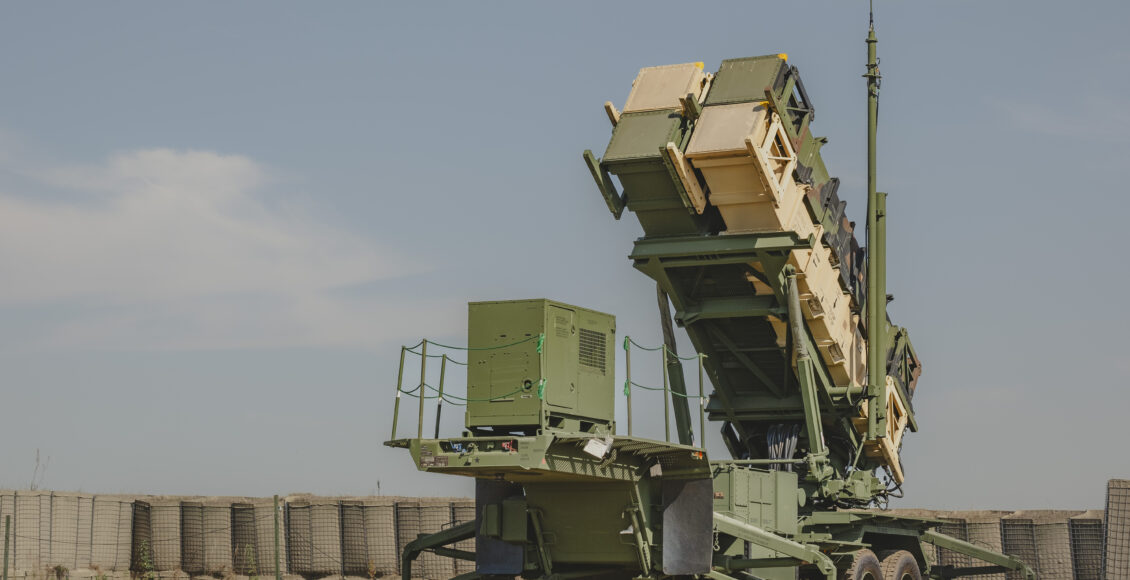
Wary of Russian aggression following the 2014 invasion of Crimea, Poland purchased American Patriot air-defence systems in 2018. Through industrial offset agreements, American contractors committed to transferring technology and developing production capabilities with Polish firms. Warsaw had negotiated significantly more than missile batteries. By May 2024, Lockheed Martin’s Polish partners had completed five offset projects. Notably, one manufacturer, Wojskowe Zakłady Elektroniczne (WZE), acquired the expertise to produce and test components associated with Patriot launchers, earning a place on Lockheed Martin’s approved supplier list. As a result, Polish companies became integrated into the Patriot system supply chain, creating skilled job opportunities and enabling rapid domestic technical servicing for existing systems.
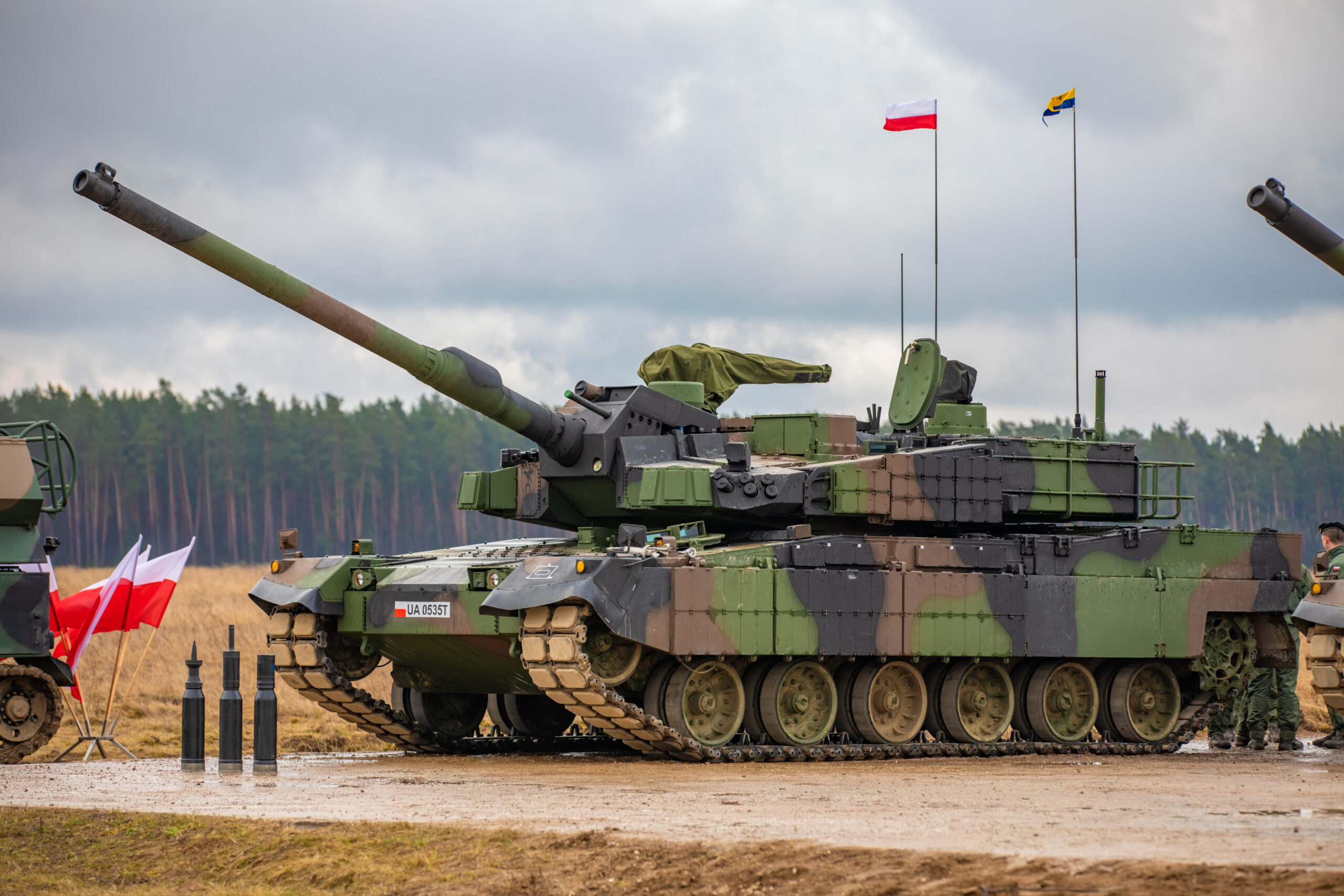
Following Russia’s 2022 invasion of Ukraine, Poland has extended this approach to South Korean K2 tanks, scheduling 61 to be assembled domestically by Polish firms by 2030. A separate HOMAR-K rocket deal established a Polish-Korean joint venture to domestically produce precision-guided rockets.
The appeal of such contracts is straightforward. Exclusively importing weapons sends the long-term economic value of defence investment abroad. Industrial joint ventures with leading producers ensure the equipment received is advanced and timely, while redirecting future production, investment, and technical expertise into domestic firms. Moreover, those firms can eventually compete for international contracts or have their employees start new companies, generating economic activity far past the original purchase. Poland is balancing its short-term need for rearmament with a longer-term industrial plan.
Canada is beginning to embrace a similar approach, although previous efforts have yielded uncertain results. Under its longstanding Industrial and Technological Benefits (ITB) Policy, companies awarded major defence contracts have been required to invest an equal amount back into Canadian industry. However, a 2024 Auditor General report found that Ottawa could not demonstrate whether the policy had achieved its goal of supporting long-term growth in Canada’s defence industry. Administrative delays, tensions between industrial objectives and the need to equip the military quickly, and inadequate economic tracking left the policy’s actual benefits unclear.
A key distinction between the policies’ successes lies in how industrial benefits are measured: Poland’s Patriot offsets emphasize technology transfer and domestic production capabilities, while Canada’s ITB Policy measures business activity in terms of contract value, often fulfilled through indirect investments. Poland’s experience suggests that lasting industrial capabilities, rather than spending commitments alone, should be the measure of success.
Canada’s 2026 Defence Industrial Strategy is a convincing attempt to improve. The plan aims to rearm the military, reach 70 per cent domestic procurement, and create 125,000 jobs through its Build-Partner-Buy program. The framework prioritizes building Canadian industrial capabilities across defence sectors, to co-develop systems where individual production is not feasible, and to use off-the-shelf procurement only as a last resort. In May 2026, Carney unveiled a reformed ITB program that cuts red tape and rewards contractors that conduct most– instead of all– of the production process domestically.

That same month, Ottawa proposed a partnership with Swedish defence manufacturer Saab, through which its GlobalEye surveillance aircraft would be built around Bombardier’s Canadian-made jets. The arrangement would establish Canadian production facilities that would create up to 3,000 jobs and produce 40 aircraft over 15 years – some for export. Like Poland’s procurement agreements, the Saab deal leverages Canada’s massive new defence budget to secure sustainable domestic investment. Pooling demand with allies is equally a priority.
In September, Canada was the lead partner nation at Poland’s International Defence Industry Exhibition, where Defence Minister David McGuinty renewed a bilateral agreement that includes industrial projects. Canada is also the first non-European country in the EU’s Security Action for Europe (SAFE) scheme, a €150-billion facility financing joint procurement, allowing Canadian firms to bid on the contracts it funds. Access, however, is not the same as orders. Anand Sundar, at the European Council on Foreign Relations, commented that the biggest obstacle to deeper defence cooperation lies in Brussels, not Ottawa.
Negotiations over the EU’s next seven-year budget will decide whether, and to what extent, third countries can take part in the defence window of a new European Competitiveness Fund. France wants strict Made in Europe rules, while Germany and 11 other countries want to include outsiders. Following the Canada-EU summit in Montreal, Canada is working towards becoming an “associate member”, potentially unlocking access to new funds or partnerships.
As Canada works to diversify away from American suppliers and Poland takes a leading role in European rearmament, both countries face the same challenge: capturing the economic value of defence spending at home. Poland’s experience suggests that foreign procurement can build domestic industry rather than displace it, but only under conditions Canada has yet to meet. Canada’s contracts must spell out the path from imported hardware to domestic production. They must define technology transfer precisely and check that it happens. Ottawa must also pool demand to gain bargaining power, and as the first non-European participant in the SAFE scheme, it already has a route to do so. Finally, Canada must build the domestic suppliers and industrial capability to take the work.
Right now, Canadian-controlled firms make just 18 per cent of defence sales. Canada’s recent reforms suggest it is moving in this direction, though the results remain to be seen, both in Poland and at home. Whether defence spending becomes a catalyst for 21st-century growth, or mostly buys someone else’s factories, will depend on what Canada writes into its next contracts.
Edited by Edvard Roberts
Featured Image: A Patriot Missile System stationed in Poland. Photo by Capt. Leara Shumate is licensed under PD-USGov-Millitary-Army.


