
What Is the Purpose of Diplomacy When No One Agrees? Debriefing the 2026 UNGA
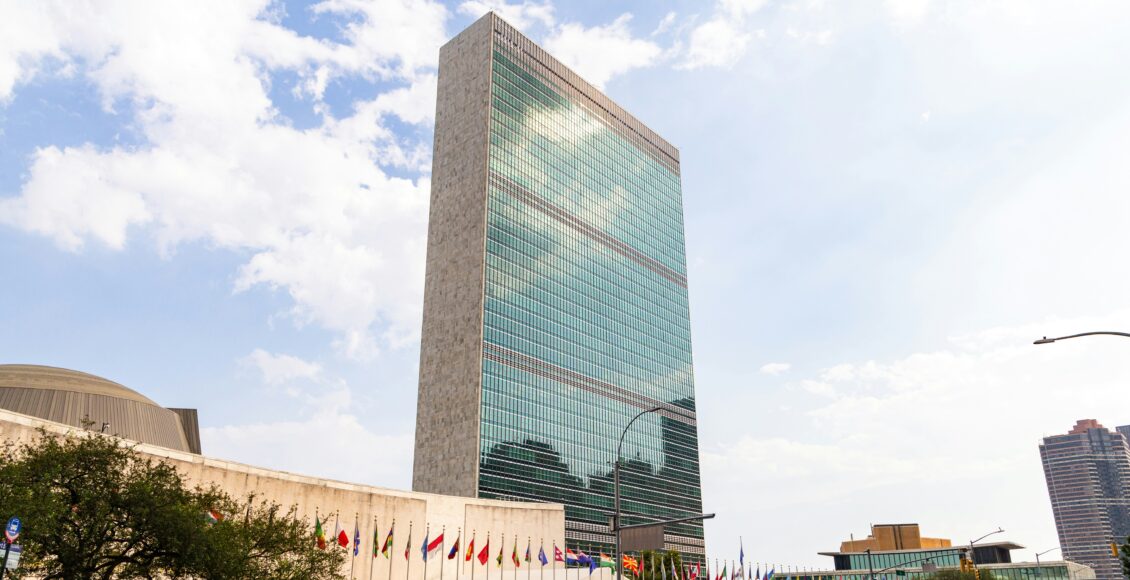
Every September, New York City becomes the epicentre of global diplomacy as world leaders gather for the United Nations General Assembly (UNGA). This year, the UN chose an optimistic theme: “Restoring Trust, Managing Transformations: A United Nations That Delivers for All.” Yet the state of the world offered little reason for optimism. The war in Ukraine has only grown deadlier: the UN reports that more civilians were killed there in the first eight months of 2026 than in all of 2025. In Gaza, a “ceasefire” has yet to reopen humanitarian routes. In Sudan, peace efforts are, in Crisis Group’s assessment, stuck in the mud. The US–Israeli war in Iran has closed off the Strait of Hormuz, pushing up fuel and food prices worldwide. Adding the questions of Security Council reform, AI, and climate to the mix, the agenda read like an inventory of unresolved crises.
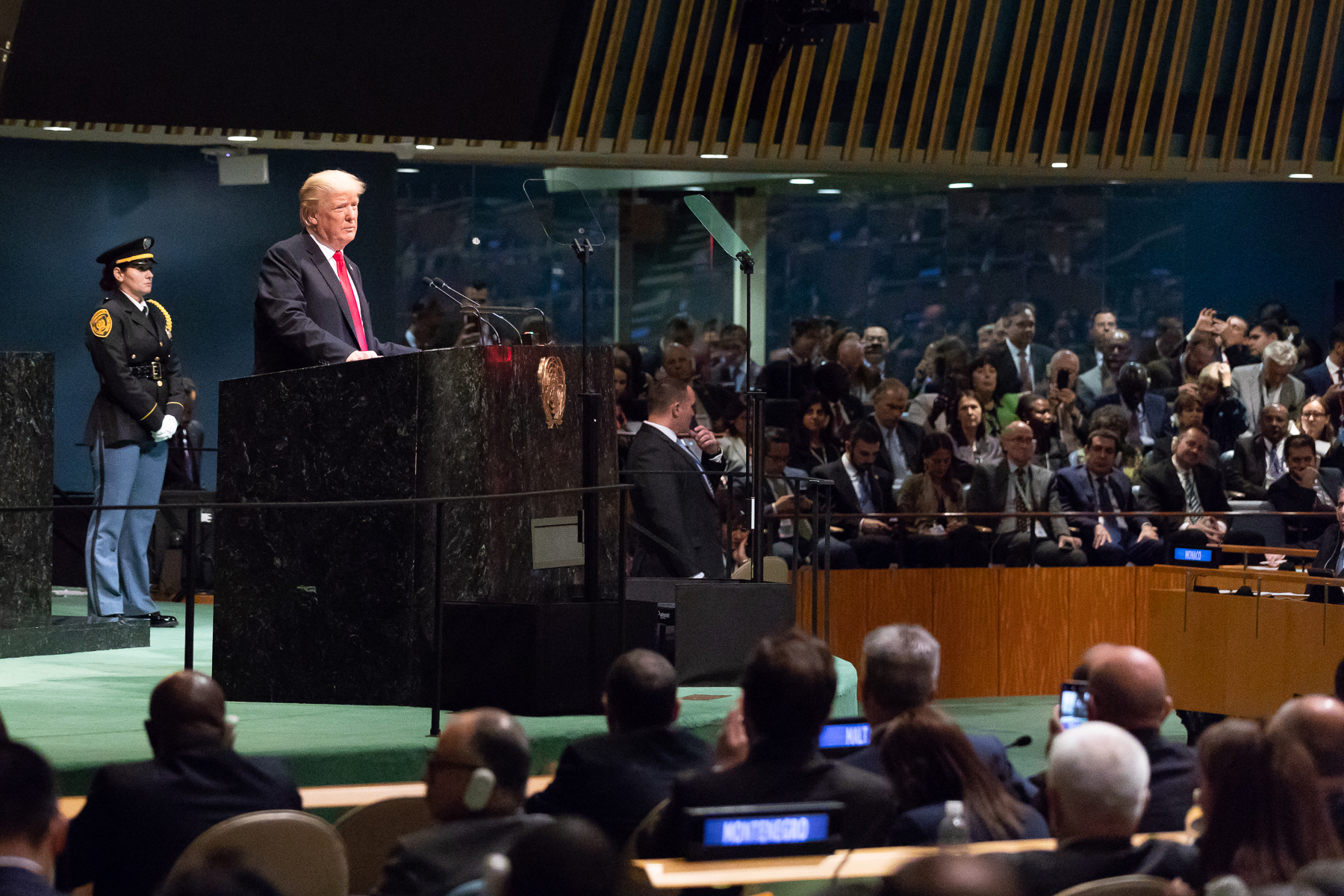
The week produced no significant breakthrough on any of them. Its most memorable scene saw dozens of delegates walking out during Israeli Prime Minister Benjamin Netanyahu’s address, in which he denounced his critics as “moral cowards” despite himself facing an arrest warrant issued by the International Criminal Court for alleged war crimes. US President Donald Trump also left his mark by proclaiming that while others talked about peace, he had “made peace” globally, even as ongoing conflicts expose a different reality. Chinese President Xi Jinping was notably absent, opting instead for bilateral talks with Trump in Washington, and Ukraine’s President Zelensky spoke for the fifth time since Russia’s full-scale invasion, urging member states to help stop Moscow. Together, these events revealed less a portrait of common purpose than one of competing definitions of peace, legitimacy, and international order.
As GA President Khalilur Rahman bluntly put it, “outside the UN’s walls, the question is no longer whether the organization exists, but whether it works.” Judging by the behaviour of world leaders, it increasingly does not. The UN appears incapable of fostering consensus or ending the world’s major wars. Yet, as the international system grows more fragmented, the diplomatic space it provides has become more necessary than ever. That is the paradox this year’s GA exposed. The organization’s value now lies less in getting states to agree than in managing how they disagree, and whether that is enough is the real question.
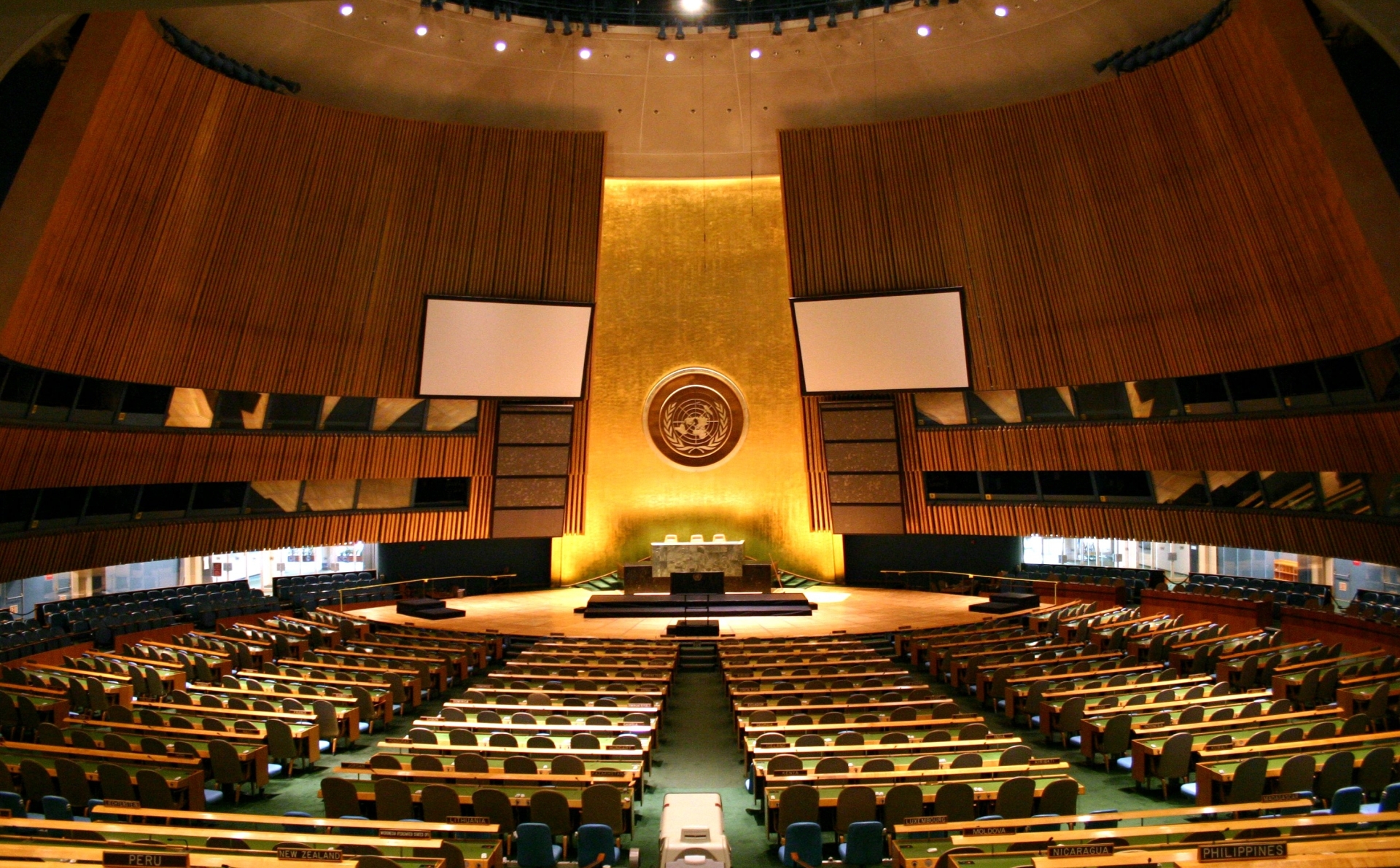
The UN was built around multilateral cooperation, collective security, and the belief that negotiation could prevent another catastrophic war. Today, those ambitions confront a more divided international system shaped by great-power competition, regional conflicts, competing blocs, and declining trust. The Security Council embodies this contradiction most clearly. Its five permanent members retain veto power, yet those same powers increasingly disagree on the conflicts the Council is expected to address: Ukraine, Gaza, Sudan, and Iran have exposed the limits of collective action. Even when states invoke the same vocabulary of international law, they often mean radically different things by it.
That contradiction has revived the push to reform the Council itself, with African leaders pointing to an imbalance that is increasingly difficult to defend; Africa has 54 UN member states but no permanent seat on the Council. Kenya’s president argued that the sovereign equality proclaimed in the GA “ends at the doors of the Security Council,” while Guyana called for a Council that reflects contemporary geopolitical realities rather than the power distribution of the post-World War II order. The same demand for a greater say surfaced in relation to artificial intelligence, which moved to the centre of this year’s debate. Developing countries have increasingly requested greater influence over AI governance, forcing world leaders to confront pressing questions about who writes the global rules, who benefits from the technology, and who bears its risks.
These demands matter because dissatisfaction with the UN does not necessarily amount to a rejection of multilateralism. Many states are instead calling for the organization to adapt and become more representative of a multipolar world. Where they differ is on what that adaptation should look like. Spain, for instance, called for eliminating the veto, while Russia supported broader regional representation without weakening the prerogatives of the permanent members. The disagreement, in other words, is over the shape of reform rather than its necessity—suggesting multilateral compromise remains possible, even as the status quo becomes harder to defend.
Yet this is precisely where the UN may retain one of its most important diplomatic functions. In a system increasingly shaped by great-power rivalry, diplomacy should be judged not only by whether it produces consensus but also by whether it keeps competing powers in dialogue, particularly when their disagreements shape the wider international system. Amid those tensions, the UN must be able to keep channels open, create opportunities for mediation, and provide an arena in which disputes can be contested politically rather than through direct confrontation. The Crisis Group’s UN director Richard Gowan has argued that the UN should be understood not only as a framework for cooperation but as a platform for “deconfliction and mutual accommodation” between rival powers. Its value lies partly in giving states a space to engage and “reduce frictions,” even when broader agreement remains out of reach.
Despite its paralysis in current conflicts, the Security Council remains a place where major powers meet and occasionally find narrow common ground. Recent compromises to renew the UN missions in Afghanistan and South Sudan suggest that when broad cooperation looks impossible, the institutions that keep minimal cooperation alive matter more, not less. The Gulf states’ interventions at the General Assembly follow the same logic. Qatar called for a regional collective security framework that would include Iran, and Oman emphasized dialogue and the peaceful settlement of disputes. Saudi Arabia condemned Iranian and Houthi attacks while urging diplomacy to contain escalation, and the UAE stressed its continued engagement with both Israel and Iran. These governments disagree on important issues, but they share a recognition that confrontation alone cannot produce a stable order.
None of this means the UN is necessarily succeeding. It suggests, instead, that the function of diplomacy is changing. In a fragmented international system, the immediate goal may not be agreement but containment: keeping disagreement political and in conversation, rather than letting it become purely antagonistic. This context also frames the race to succeed Secretary-General António Guterres, whose term ends on December 31, 2026. His successor will be central to the debate over what the UN should prioritize in its future and how to address its limitations in conflict resolution. The challenge is larger than leadership style, as the next Secretary-General will inherit an institution whose legitimacy depends on proving that dialogue can yield results.
The 2026 UNGA centred neither on the death of diplomacy nor its triumph. It depicted an international order where states remain willing to gather, argue, negotiate, and invoke common rules, even as consensus seems to fade. As International Crisis Group President Comfort Ero argues, the old order should not be romanticized, even if nothing has replaced the UN as the broadest arena through which states deal with one another. It gives small and large states common ground and reduces diplomatic isolation, keeping the dialogue open so that negotiations can unfold. The test ahead is whether the UN can keep fragmentation from hardening into diplomatic rupture. If it fails, it will survive as an institution but function solely as a forum in which the world airs its divisions rather than resolves them.
Edited by Laura Ridoux
Featured image: The United Nations headquarters in New York City hosts its annual General Assembly, with many critical issues at stake on this year’s agenda. Photo by Maxim Klimashin is licensed by Unsplash.

