
What Your Five-Dollar App Says about Big Tech’s Control over the Digital Economy

Every day, an average of nearly 133 million apps are downloaded from the Apple App Store. While the majority of apps are free to download, approximately 20 million apps impose a purchase fee. Spending a few dollars to download idolized apps such as Minecraft, Procreate, or Geometry Dash may initially appear harmless. However, these seemingly minor costs reflect the much broader, systemic issue of Big Tech’s control over the digital economy, and in turn, the everyday lives of billions of people across the globe.
With over five trillion Google searches taking place annually alongside 2.5 billion active Apple devices globally, technology giants like Google and Apple control the gateways through which billions of people access the digital economy. The term “Big Tech” refers to a small group of large technology companies whose platforms, infrastructure, and services shape how people engage with the digital economy. Big Tech platforms like Google, Amazon, Apple, Meta, and Microsoft have created unprecedented opportunities for the global economy, but have also been subject to global scrutiny for their substantial control over users. At the consumer level, it may seem difficult to grasp the impact of Big Tech’s control over daily life. One highly evident yet often overlooked manifestation of this control is the app tax – the commission that Apple and Google charge app developers. This fee is frequently passed down to consumers; hence the $6.99 charge to download Minecraft.

Despite occasional catchy headlines or protests, the profound market dominance that Big Tech exerts over the technological landscape remains largely overlooked by many consumers. Big Tech’s influence extends far beyond any individual product or service, as a small number of firms control the majority of global infrastructure through which people access the digital economy. By 2024, the European Commission had formally designated both Apple and Alphabet, Google’s parent company, as “gatekeepers,” implying that, because they own major digital platforms that serve as critical gateways between businesses and consumers, they should be subject to additional competition rules. For instance, Apple runs iOS, the App Store, Safari, and iPadOS, while Google operates Search, Android, Chrome, YouTube, and Maps.
Critically, Apple and Google control the two app stores – the App Store and Google Play – that the majority of consumers use to download apps. According to British Member of Parliament and chair of the House of Commons’ Science and Technology Committee, Chi Onwurah, this influential position allows Apple and Google to “set terms for app developers that most businesses would never accept from a supplier.” Big Tech’s economic power is therefore not simply a result of having popular products; it stems from their control of infrastructure that connects consumers to businesses.
While often overlooked, the app tax has significant negative consequences for both consumers and broader society. Apple and Google’s control over the technological landscape allows them to impose commissions of up to 30 per cent on app developers around the world. These commissions are often passed down to users through higher app purchases, subscriptions, and in-app transactions, thus increasing consumer costs. To some, paying a few dollars to play the game “Heads Up” may seem insignificant, but the app tax has broader socio-economic consequences. Beyond individual consumers, the app tax disproportionately harms smaller developers and startups. Large firms are often better positioned to absorb platform fees imposed by Apple and Google, while smaller companies have less room to sacrifice revenue. This can reduce incentives for firms to enter the market, engage in technology innovation, or invest in improving apps. The app tax is more than just a few dollars footed by small firms or consumers; it is a mechanism to reinforce the market power of Apple and Google while making it difficult for other companies to compete, innovate, and grow.
In recent years, governments have taken substantial measures to limit Apple and Google’s control over app distribution and payments, yet the firms’ hefty influence often allows them to bypass government regulations. The EU has served as a global leader in calling out the disproportionate market power of Big Tech firms. The EU Digital Markets Act, for instance, requires “gatekeepers” like Apple and Google to allow developers to promote their apps on alternative app stores outside the App Store or Google Play. This may include downloading an app directly from a developer’s website or promoting the fact that downloading the app on third-party sites would be cheaper for the consumer.
While such measures are an important step in addressing Big Tech’s control over the digital economy, they have consistently fallen short in removing the burden of app taxes on developers or consumers. Instead of eliminating fees for developers and consumers, Apple and Google responded to EU guidelines by changing the structure of their fees to bypass such regulations. While Apple technically created options for alternative app distribution in the EU, the company subsequently introduced new fees and commissions that discouraged developers from using App Store alternatives. These convenient maneuvers underscore the enormous influence Big Tech holds over the digital economy, as they find ways to comply with regulations while preserving their dominant positions.
With government regulations falling short, challenging the app tax on a global scale may seem insurmountable. However, consumers and companies can still make tangible efforts to challenge Big Tech’s app tax. First, a consensus is needed among consumers and developers that the ultimate goal is to make Apple and Google compete for developers, rather than allowing developers to remain dependent on them. Consumers have the power to lobby Big Tech firms to promote genuine competition in app distribution, meaning that Apple and Google should not inhibit others from creating alternative app stores or promoting direct downloads that do not impose unattractive fees. Developers and governments should also collaborate to strengthen steering guidelines and opportunities, which could encourage users to download apps from platforms other than the App Store or Google Play. For instance, developers should be allowed and encouraged to tell users when subscriptions or purchases are cheaper outside the app stores. While Big Tech undoubtedly has significant control over the digital economy, consumers, developers, and governments still have opportunities to unite against the app tax.
While the app tax may appear to be a minor inconvenience at the consumer level, such fees reflect a much larger structural issue that is conveniently overlooked. Apple and Google’s ability to determine how developers access billions of consumers demonstrates the power Big Tech that holds over digital infrastructure. Although recent EU reforms show that governments are increasingly aware of the negative consequences of digital gatekeepers, government regulations are only effective if firms cannot circumvent them by slightly altering their methods. Ultimately, constraining Big Tech will require moving beyond regulating individual fees and addressing the unavoidable dependencies that consumers and businesses have on a handful of powerful digital platforms.
Edited by Georgia Massis
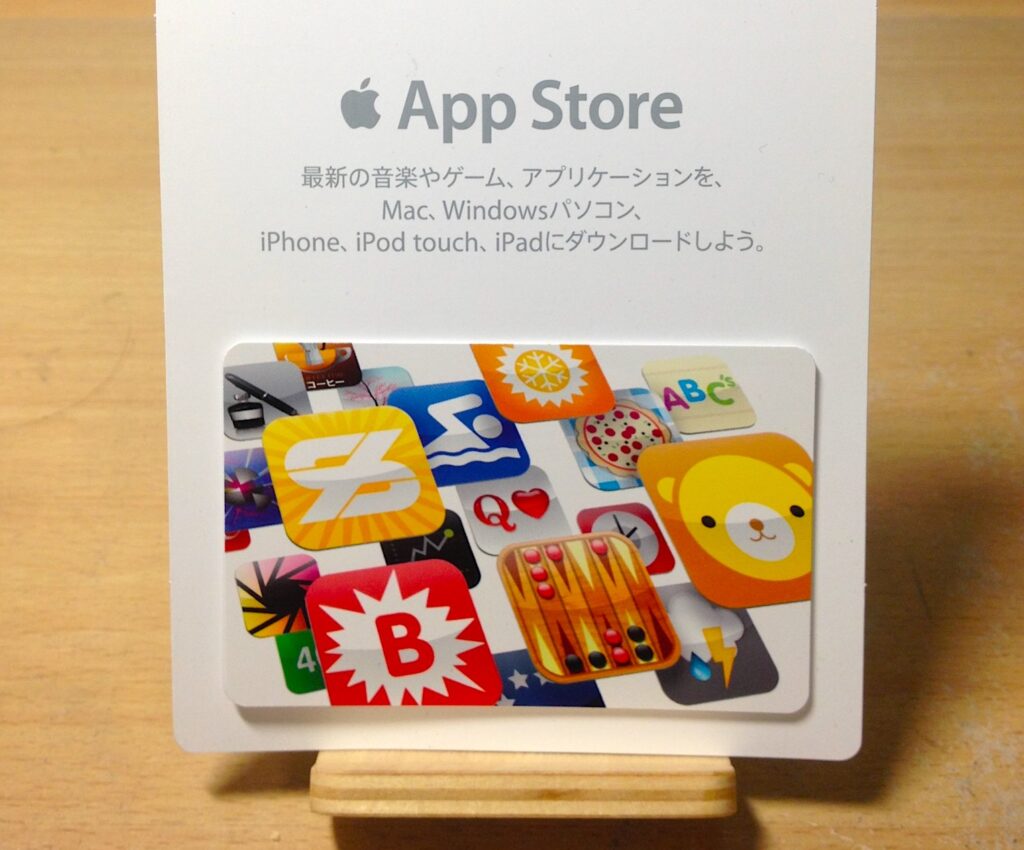
Featured Image: The app tax is often passed down to individual consumers, allowing Big Tech to expand and consolidate its financial control over the technological landscape. Photo by Shixart1985 is licensed under CC BY 2.0.


